
Between this and the former episode of my blog is a bigger gap than usual. The reason is that my wive and I moved to another house in another town. With a lot of pleasure, we have refurbished the house house. Without any doubt, it will stimulate me to provide you with lots of new posts.
Back to the music, this time a rather brief episode.
Music has several proven effects on human beings. Music that you like is reducing stress and makes you happier. This because of the production of a drug by your brain called dopamine. Music stimulates the functioning of the brain and therefore play a role in combating memory loss.
It is a very good idea for schools to engage children actively with music and for music to be final exam subject in secondary education. This is the case, among others, at the Marianum, a broad comprehensive school in Groenlo, the Netherlands.
Listen, by way of introduction, the school choir’s interpretation of Adiemus, a song whose words have no meaning. The choir consists of students from the upper classes, many of whom have music as their final exams.
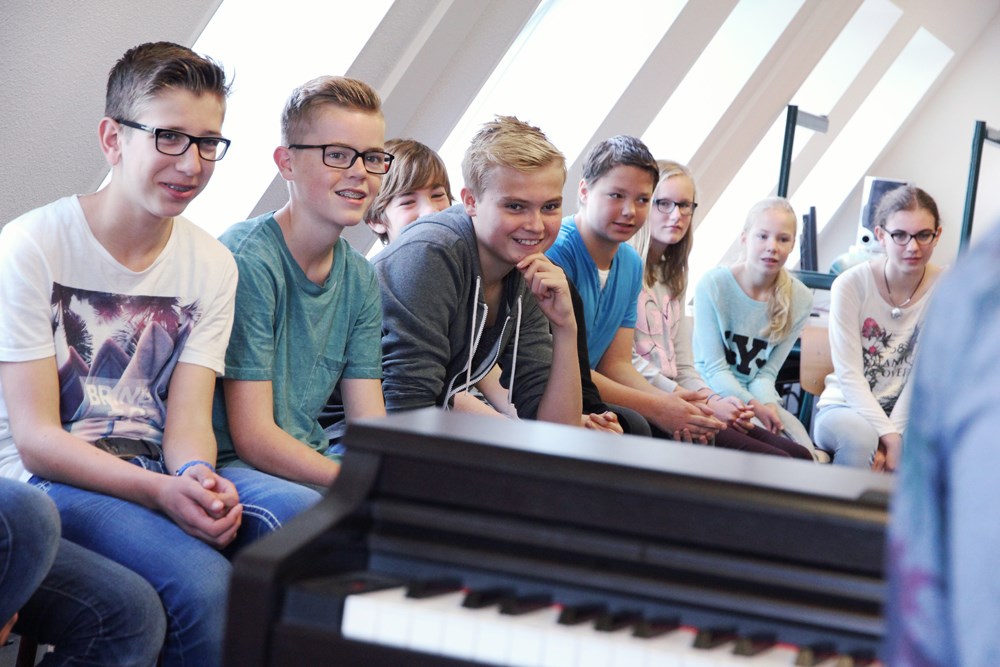
What does musical education look like in secondary school? In junior high, pupils develop several musical skills, with singing and playing a musical instrument having an important role. But they also write their own songs. In addition, there is general music theory and music history.
Students who choose music as their final exam spend about two-thirds of the time working towards one or more performances (the final exam concert). If they already play an instrument, this is useful, it is not necessary. In the theory section, students prepare for the final central written exam, which includes mastering musical notation, analyzing musical pieces and studying the diversity in music also in relation to (sub)cultures.
In the years 2120, 2012, 2014 and 2017, professional recordings of the final exam presentations were made at the Marianum under the MarianumLIVE banner. These were distributed on YouTube and have since been viewed more than 5 million times.
In this exploration, I show a choral number and an individual performance from the years 2012, 2014 and 2017. The video above dates from 2012. Here is an individual performance from the same year, in this case two students singing the song ‘Je veux’, which was very popular that year. It was sung by singer ZAZ (Isabelle Geffroy). It is an example of ‘gypsie jazz’, the only movement within jazz that had its origins in Europe.
Below, I highlight the year 2014. That year, choir and soloists sang Fauré’s Requiem among others. From this follows the song Libera me. The piano is played by Dennis Valenduuk, a former student of the school.
You can now watch the song ‘I put a spell on you’ This song dates from 1956 and has been sung by Nina Simone, Brian Ferry and the Alan Price group, among others. Rolling Stone Magazin ranked this song 318de among the 500 best songs of all time. This song exhibits almost heartbreaking vocals and impressive guitar playing at (almost) professional level.
Moving into 2017. You can first watch and listen to two soloists, singing together Steely Dan’s 1972 song ‘Do it again’. It’s about a schmuck who keeps falling back into the old sins of violence, drugs and the wrong women and always comes up short. The soloists therefore sing resignedly ‘do it again….’ Note the tight ‘funky’ playing and the solo by the ‘cool’ drummer.
Below, you can listen to Toto’s ‘Africa’ version by year group 2017 of the Marianum.
Although this is a performance for choir and soloists, many elements have been adopted from Toto’s performance, for example the marimbas at the beginning.
And then 2017 was over and the great promoter and stimulator of music at school Frits Maters retired. From then on, there are no more videos of musical presentations by the graduating students, as far as these concerts could go on in corona time. No videos, but there are photos.
MarianumLIVE is not the only way the school manifests itself musically. In the years when there was no MarinumnLIVE, students organised Students on Stage, outside the curriculum, but also of high quality. In 2018, a group of students and teachers organised Passion. They also resumed the tradition of the Music Café, in which mainly bands of students performed and a choral work was sung.
You can watch a large number of videos from the years 2010, 2012, 2014 and 2017 via this link. You will also be introduced to four former students who have become professional musicians.


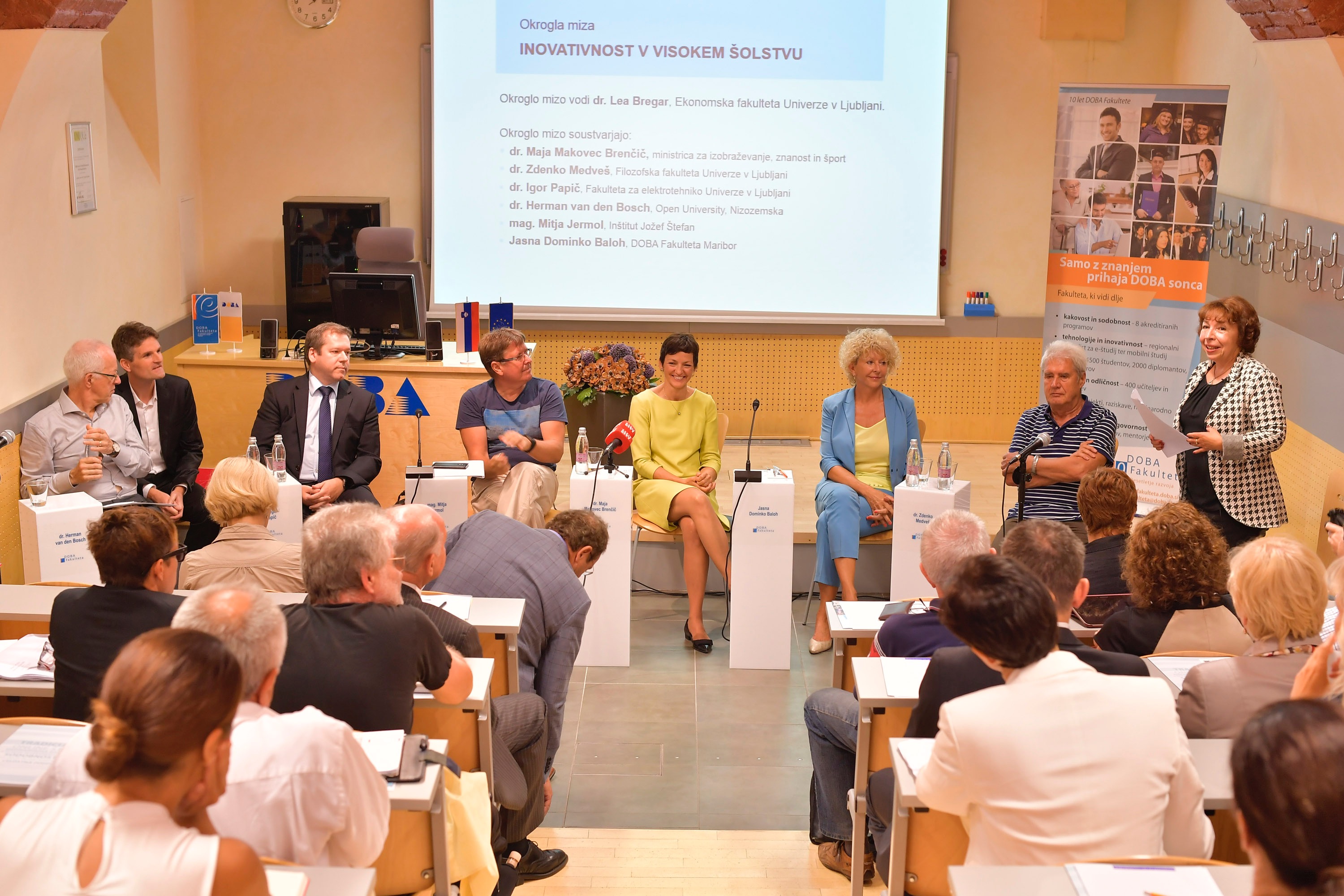
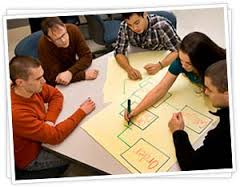 The value-added of campus universities should rather be sought in teaching methods where the degree of interaction between students and teachers goes beyond incidental questioning and answering in lectures and seminars. Think of tutorials (meetings a few students with a tutor), projects (intensive meetings of students, occasionally attended by a teacher), working groups in problem-based learning (10-15 students, who meet with a tutor regularly) and some types of training. Activities like these outperform the capabilities of education online with respect to the support of aims like critical thinking and problem solving. Unfortunately, the domination of lectures and seminars prevents that campus universities take advantage of this potential value.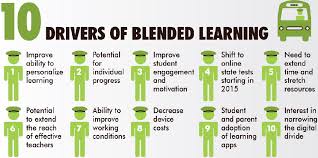
 The majority of contemporary universities are realizing these outcomes only partially. Research in the US has revealed that about 40% of college students did not make any progress with respect to analytical and critical thinking skills in four consecutive years
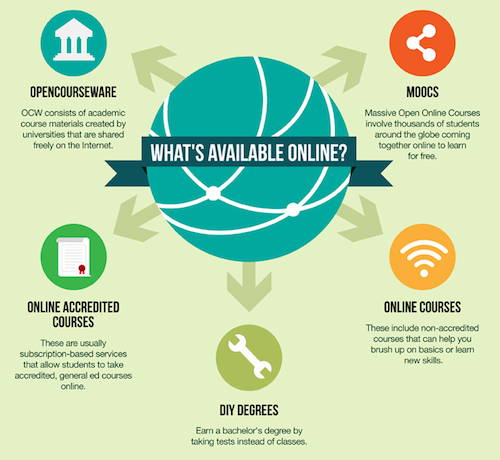 Universities can economize by flipping their classrooms radically and supporting their students in choosing appropriate open educational resources like MOOCs (= massive open online courses). At this time, MOOCs cover any part of scientific knowledge. The best scientists are involved in their development and educational technologists have designed the best visual support. The only expenses relate to delivering feedback at student’s assignments.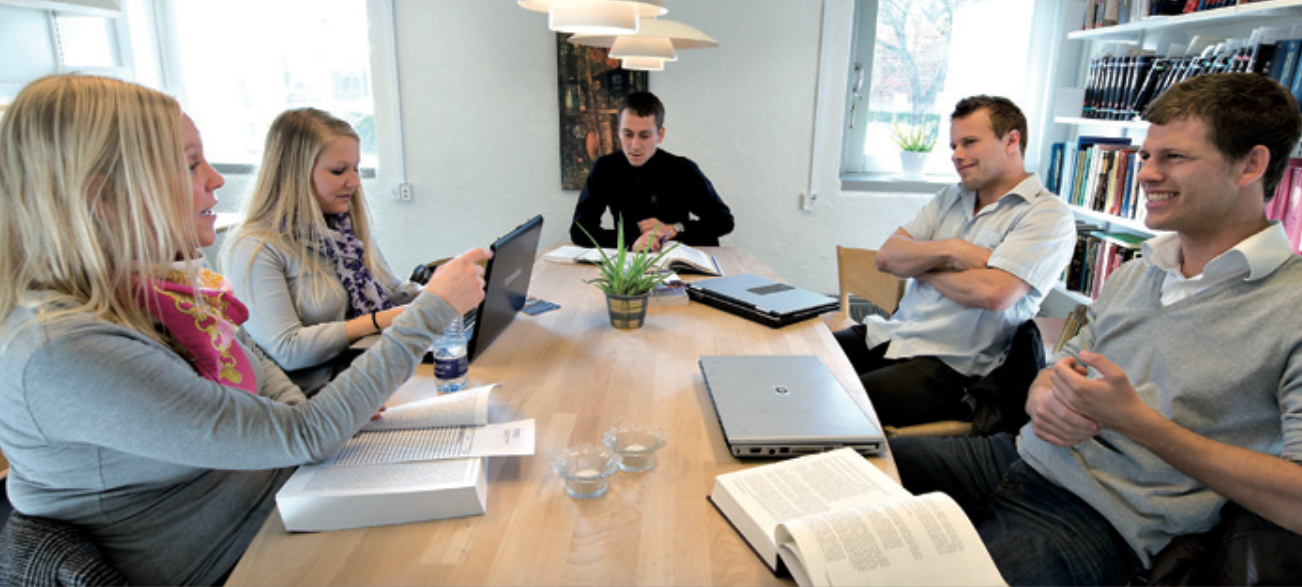

 Ask any university teacher who is her or his boss. Some – probably those who have been employed the largest number of years – shrug their shoulders as though the answer matters. Others might count ten bosses at least: the chairman of the department, the head of the school, the managing director, the program director of the bachelor, the program director of the master, the director of education, the director of research, the chairman of the faculty council and the dean. Not to forget the chairmen of the education committee and the board of examiners. And we’re only talking about bosses at faculty level.
 The strong increase in complexity of higher educational institutions is accompanied by the diversity of tasks that academic personnel are performing simultaneously. Ask any university teacher to write down her or his tasks during an average week. The result: six to ten lectures or working groups in bachelor and master programs spread over three to five courses, the development of new courses, supervision of bachelor and master theses, meetings of committees, discussions with PhD students, delivery of information to prospective students, participation in teacher training, attending meetings and consulting colleagues, regional contacts, deliberations with foreign universities, tutorials with students, answering emails, and joining social media forums. They also do research, which involves various activities as well.
 Music: Listen, Look and Enjoy